
Storm Drainage Repair
Storm Drainage Repair in Houston, TX
Storm drainage systems take on heavy strain in Houston due to the region's intense seasonal rainfall, slow-draining clay soil, and frequent debris buildup from trees and landscaping. Over time, French drains, catch basins, and underground piping can become clogged, damaged, or misaligned, causing water to pool again in areas the system was originally installed to protect. Frank's Irrigation Repair diagnoses and repairs failing storm drainage systems for residential and commercial properties throughout Houston, TX, restoring proper water flow before standing water leads to foundation or landscape damage.
Diagnosing Storm Drainage Failures
Not all drainage problems have the same root cause, and an effective repair starts with correctly identifying where the system is failing. Frank's Irrigation Repair inspects the full drainage path, from collection points to discharge locations, to determine the exact source of the issue.
Camera Inspection of Underground Piping
A camera inspection allows technicians to see inside buried drainage pipes without extensive digging, identifying blockages, cracks, or collapsed sections.
Water Flow Testing
Running water through the system helps confirm whether water is properly reaching catch basins and flowing all the way to the discharge point.
Identifying Backed-Up Sections
Sections of pipe that back up during testing point directly to the location of a clog, break, or grading issue that needs to be addressed.
Clogged Pipe and Catch Basin Repair
Debris, silt, and sediment buildup are among the most common causes of drainage failure in Houston, where heavy rains regularly wash leaves, dirt, and organic material into drainage systems.
Clearing Sediment and Debris Blockages
Blocked sections are cleared using appropriate equipment to restore full water flow without damaging existing piping.
Grate and Basin Cleaning
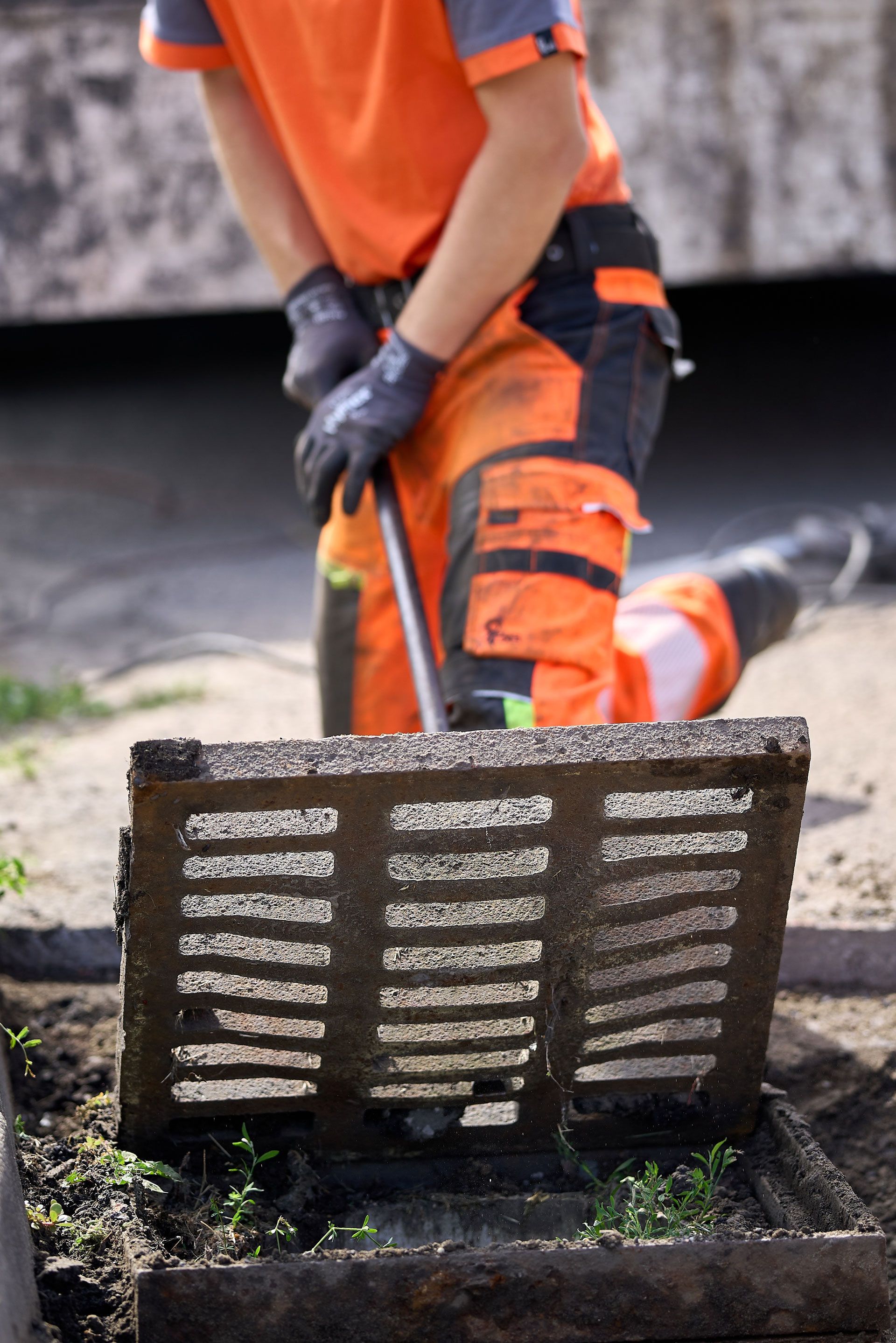
Catch basin grates are cleaned and inspected to ensure debris isn't collecting at the surface level and preventing water from entering the system.
Cracked and Collapsed Pipe Repair
Houston's shifting clay soil puts constant pressure on underground drainage piping, which can lead to cracks, separated joints, or full pipe collapse over time.
Root Intrusion Repair
Tree roots seeking moisture often grow into small cracks in drainage piping, eventually causing blockages or structural damage that requires pipe section replacement.
Pipe Joint Realignment
Soil shifting can cause pipe joints to separate slightly, allowing water to escape underground instead of reaching the intended discharge point.
Full Section Replacement
When a section of pipe has collapsed or cracked beyond repair, that portion is replaced and reconnected to the surrounding system.
French Drain Repair and Restoration
French drains can lose effectiveness over time as the gravel bed becomes compacted or filled with fine soil particles, reducing their ability to channel water away from the property.
Gravel Bed Restoration
Compacted or clogged gravel is removed and replaced to restore the drain's ability to filter and direct water flow.
Perforated Pipe Replacement
When the perforated pipe inside a French drain becomes damaged or blocked, it is replaced to restore proper water collection along its length.
Regrading and Discharge Point Repair
Sometimes drainage failures aren't caused by the piping itself but by changes in yard grading or issues at the discharge point where water exits the system.
Correcting Settled or Shifted Grading
Soil settling over time can create new low points that redirect water away from catch basins, requiring regrading to restore proper flow direction.
Discharge Point Blockage Removal
Discharge points at curbs, ditches, or municipal connections can become blocked with debris or sediment, causing water to back up through the entire system.
Frequently Asked Questions
Why is my French drain not working anymore?
French drains often stop working due to a compacted or clogged gravel bed, sediment buildup inside the perforated pipe, or root intrusion blocking water flow.
How do I know if my storm drainage system needs repair?
Signs include water pooling in areas the system was designed to protect, slow drainage after rainfall, or visible water backing up through catch basins.
Can a drainage pipe be repaired without digging up the whole yard?
In many cases, camera inspection allows technicians to pinpoint the exact problem area, limiting excavation to only the affected section of pipe.
What causes underground drainage pipes to crack?
Houston's clay soil expands and contracts with moisture changes, putting consistent pressure on buried piping that can eventually lead to cracks or joint separation.
How much does storm drainage repair cost in Houston?
Costs depend on the extent of the damage, whether the issue involves clogs, cracked piping, or grading problems, and how much excavation is required.
Why does water still pool in my yard even with a drainage system installed?
Pooling despite an existing system often points to a clog, a collapsed pipe section, or a grading change that has redirected water away from the collection points.
Can tree roots damage a storm drainage system?
Yes, tree roots frequently grow into small cracks in drainage piping, eventually causing blockages or requiring the affected section to be replaced.
How often should storm drainage systems be inspected in Houston?
Given the volume of seasonal rainfall, an annual inspection is generally recommended to catch clogs or damage before they cause flooding.
What is the difference between repairing a catch basin and repairing a pipe?
Catch basin repairs typically address surface-level debris and grate issues, while pipe repairs involve the underground piping that carries water to its discharge point.
Can storm drainage repair be done during rainy season?
Yes, repairs can be performed during Houston's rainy season, though ongoing rainfall may affect scheduling depending on the extent of excavation required.
What happens if a discharge point becomes blocked?
A blocked discharge point causes water to back up through the entire drainage system, often resulting in pooling at catch basins or low points throughout the yard.
